Is your child starting childcare, school, or playgroup?
Starting or changing nursery, playgroup or school is a big step for you and your child and we’re here to help you both with this transition.
To help, we have a range of resources to help you provide the carers, childminders or teachers with as much information as possible, including an information pack and letter template.

Getting started
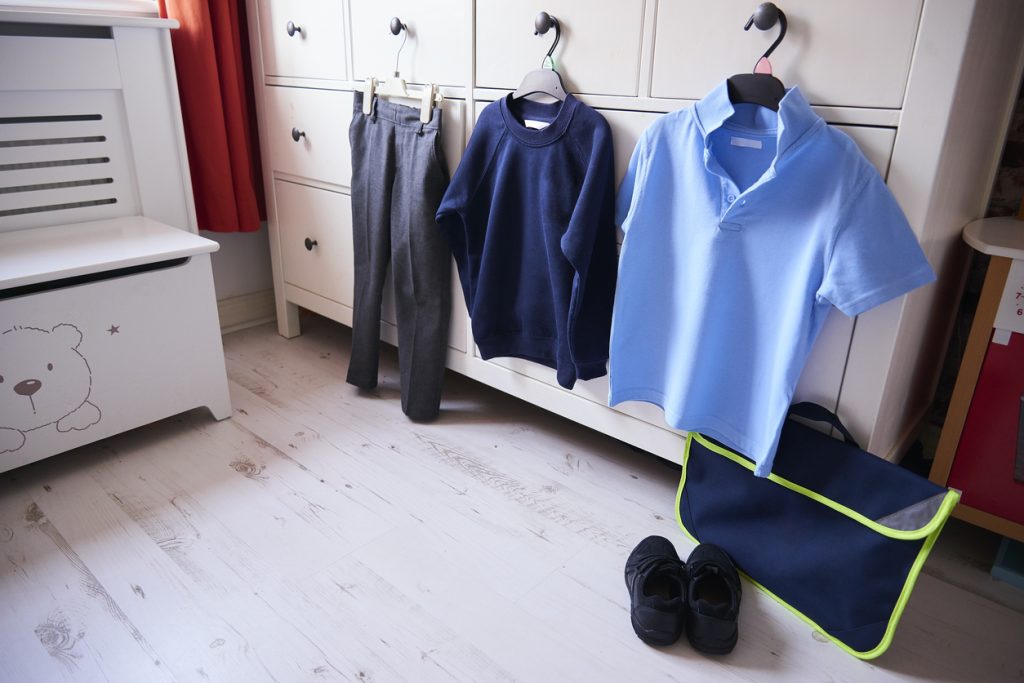
Starting or changing nursery, playgroup or school is a big step for you and your child. Make sure you provide the adults, childminders or teachers who are looking after them with as much information as possible. This will help to reduce the likelihood of problems and make sure your child adapts well to each new experience.
Before your child starts, make an appointment to see the person in charge, as well as any relevant teaching and catering staff. Let them know that your child has coeliac disease and needs to follow a strict gluten free diet.
Download a schools’ pack below that is for your region of the UK for comprehensive information on managing coeliac disease in school, to share with the school.
You can provide them with information about foods that can be eaten and those that must be avoided. Remember that young children often make mistakes or swap food with other children so it is important that staff are vigilant.
Let the staff know what symptoms to expect if gluten is eaten. Also explain the long term effects of not keeping to a gluten free diet, such as continued gut damage and poor absorption of nutrients.
Below is a useful checklist of things to cover with your childcare provider:
- Explain what coeliac disease is and that once a child with coeliac disease follows a strict gluten free diet they will feel better
- Highlight that coeliac disease is not contagious nor an allergy, emphasising that they will not suffer a life-threatening anaphylactic reaction
- Explain what will happen if your child eats gluten by mistake so they are aware of what to expect. The most common symptoms include diarrhoea, nausea, tummy ache and wind
- Clarify what foods can be eaten and what foods need to be avoided – it may be useful to provide them with a copy of the Your gluten free life booklet and the Gluten free Checklist
document
Schools pack for England
This pack includes information for you, as a parent/carer, your child, and for the school. Current legislation requires schools in England to make arrangements to support children with medical conditions. The legislation also places a duty on schools to offer universal free school meals to all pupils in reception, year one and year two.
document
Schools pack for Scotland
The Scottish Government recently produced guidance for schools and education authorities called Supporting Children and Young People with Healthcare Needs in Schools. While this is guidance rather than law, schools and educations authorities are expected to follow it.
document
Schools pack for Wales (English)
All children in Welsh primary schools are entitled to a free school breakfast. If your school does not currently have a free breakfast scheme, you can ask them to start providing one. Local authorities must provide school breakfast unless it is unreasonable to do so. Children with celiac disease should have a plan in place detailing the support provided to enable them to participate fully in school activities. School lunches are not inclusive, but they are available for some children.
document
Schools pack for Wales (Cymraeg)
Mae gan bob plentyn yn ysgolion cynradd Cymru yr hawl i gael brecwast ysgol am ddim. Os nad oes gan eich ysgol chi gynllun brecwast am ddim ar hyn o bryd, gallwch ofyn iddynt ddechrau darparu un. Mae’n rhaid i awdurdodau lleol ddarparu brecwast ysgol oni bai ei bod yn afresymol gwneud hynny. Dylai plant sydd â chlefyd seliag fod â chynllun mewn lle sy’n manylu ar y gefnogaeth a ddarperir er mwyn eu galluogi i gymryd rhan lawn yng ngweithgareddau’r ysgol. Nid yw cinio ysgol yn gynhwysol, ond maent ar gael i rai plant.
document
Schools pack for Northern Ireland
This pack provides information on what you, as a parent/carer, should expect from your child’s school and the things you can do to help ensure the right arrangements are in place for your child at school in Northern Ireland.
Playtime
Gluten has to be eaten to cause symptoms, so using paints, crayons and glues should not be a problem unless your child accidentally eats them. As young children will often put things in their mouth, using materials made with no gluten containing ingredients is a sensible option.
Preschool children will often make art and instruments with dried pasta. As this may be tempting for small children, it is advisable to use gluten free pasta or supervise the child.
Play dough is not always gluten free. However, it is easy to make play dough using ingredients that don’t contain gluten.
Gluten free play dough recipe
Ingredients
- 230g (8oz) of rice flour.
- 230g (8oz) corn flour.
- 230g (8oz) salt.
- 4 teaspoons of cream of tartar.
- 2 cups water.
- 2 tablespoons vegetable oil.
- Food colouring.
Method
- Place all ingredients in a saucepan.
- Cook over a low heat for about 5 minutes, stirring all the time. The mixture is very runny to start with but gradually thickens.
- Remove from the heat and knead on a table or large board to remove any lumps.
- Roll into a large ball and store in an airtight tub. It will keep for several months.

Mealtimes
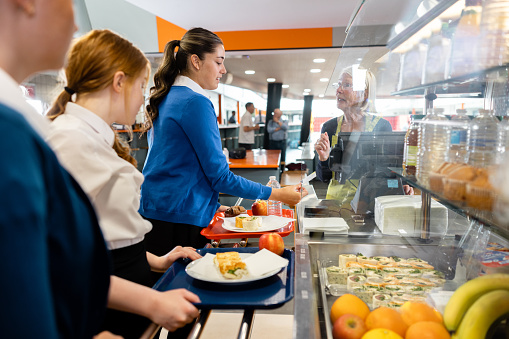
There are universal free school meal policies for certain school years in England and Scotland schools. In addition, free school meals are available to some children depending on individual circumstances, for example the receipt of certain types of benefits. If a child is entitled to a free school meal, they should not be excluded because they have coeliac disease. If you want your child to have a lunch which is provided by the nursery or school, speak to the catering staff about suitable choices and providing gluten free alternatives. Discuss adjustments or alternatives that they could make to their normal weekly menu, and speak to the catering staff about cross contamination.
Download our information pack and letter template to help you liaise with schools about your child’s gluten free requirements. You may prefer to provide your own food which can be heated up or a packed lunch. Make sure your child knows not to swap items in their packed lunch with their friends, in case they swap them for something that contains gluten. Encourage them to double check any food they are unsure of.
To avoid your child feeling different from other youngsters at snack times, you may need to provide gluten free snacks. Inform staff that these snacks should be stored separately to avoid contact with food that contains gluten.
If you feel you’re not getting the support that you would like, have a chat with your local dietitian who may be able to speak to the school on your behalf.
Cookery lessons in school
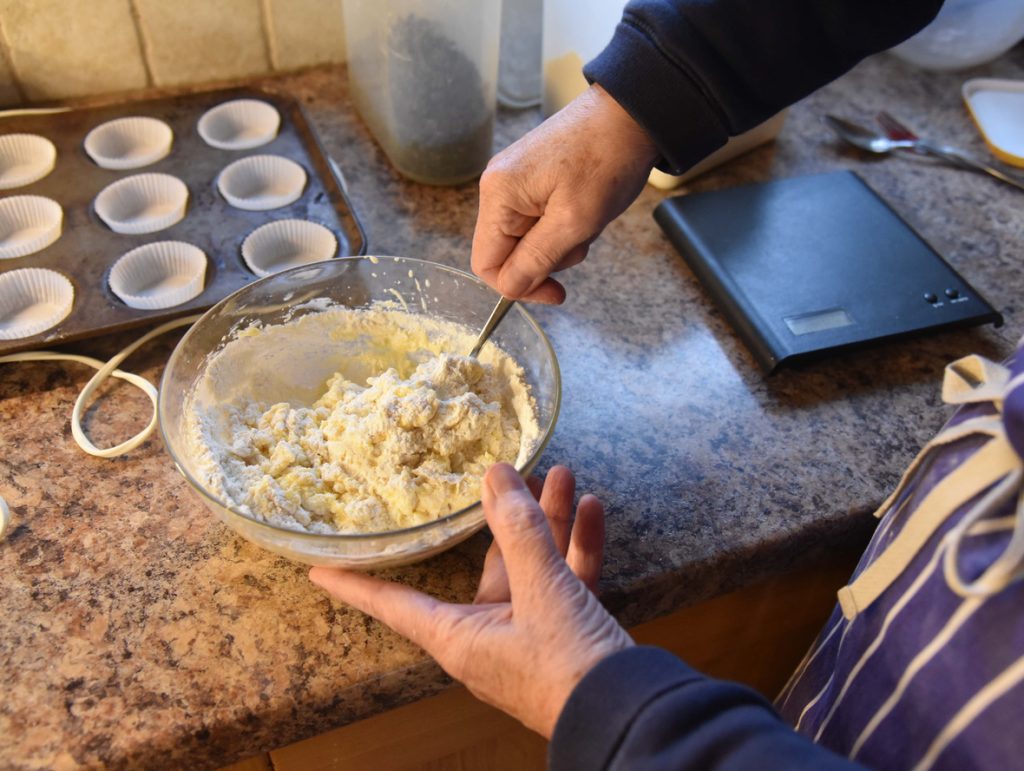
Children often get taught how to cook as part of the curriculum across all ages With some forward planning, there is no reason why your child cannot take part.
Before your child takes part in cookery lessons it may be useful to speak to the teacher about cross contamination. Top tips to avoid cross contamination:
Keep all utensils separate during preparation and cooking of gluten free food
Don’t fry gluten free food in the same oil as foods that contain gluten
Use a clean grill pan, separate toaster or toaster bags when making gluten free toast
Be careful when preparing gluten free food in a floury environment.
Going on a school trip?
If your child is going on a residential school trip, call ahead and speak to the cook or person providing the meals and talk to the teacher in charge of the trip to explain your child’s dietary needs.
Pack basic items such as gluten free bread and crackers so that your child has some emergency supplies. This is recommended for any trip away from home.
Going to a party?
It’s worth bearing in mind that the party organiser will probably be very busy on the day, so don’t automatically expect them to cater for your child.
Discuss your child’s dietary requirements with the parent organising the party, or if you can, speak to the venue in advance. If they are unable to cater for your child ask what
type of food is being prepared so you can substitute similar gluten free versions. Perhaps you could take along gluten free alternatives for everyone to try so your child feels included.

Become a member of Coeliac UK
The best support comes from people who understand. We can help you make safe food choices more easily and connect with others living gluten free.
Parents or carers of children with coeliac disease are welcome to join Coeliac UK on the child’s behalf. If there is more than one person with coeliac disease living at the same address, you may wish to sign up for household membership.
Coeliac UK has a range of resources designed specifically for children and young people at every stage of their gluten free journey. Find out more below.
The Belly Bunch
For children aged up to 5 years old, this booklet explains how a gluten free diet will give your child a ‘happy tummy’, using easy to understand and engaging illustrated characters.
The Young Champions Club
For children aged between 5-11-years-old, this pack contains more detailed information on coeliac disease and includes ideas for activies to help a young person share more about their life.
Teen Virtual Club
For young people aged between 12-15-years-old, the Teen Virtual Club is a series of online meet-ups hosted by a team of young volunteers. It is a safe space for young people to share experiences with other young people living with coeliac disease.
Coeliac UK Connect
For young people aged 16-19-years-old, this Coeliac UK Connect is a private instagram channel hosted by Ameila and Marie-Claire, two of our young volunteers who want to share tips and advice in a safe online space.
The Moving On pack
For young people over 18, this resource is designed to support those who are moving out of the family home, going travelling, heading to university, or starting a new job. Full of tips and advice to help guide the next phase of an adults gluten free journey.
Gluten Free Checklist
Our gluten free factsheet is designed to be your quick reference guide to make safer food choices. It contains details of different food types that are gluten free, that you need to check, and which are not suitable for the gluten free diet.